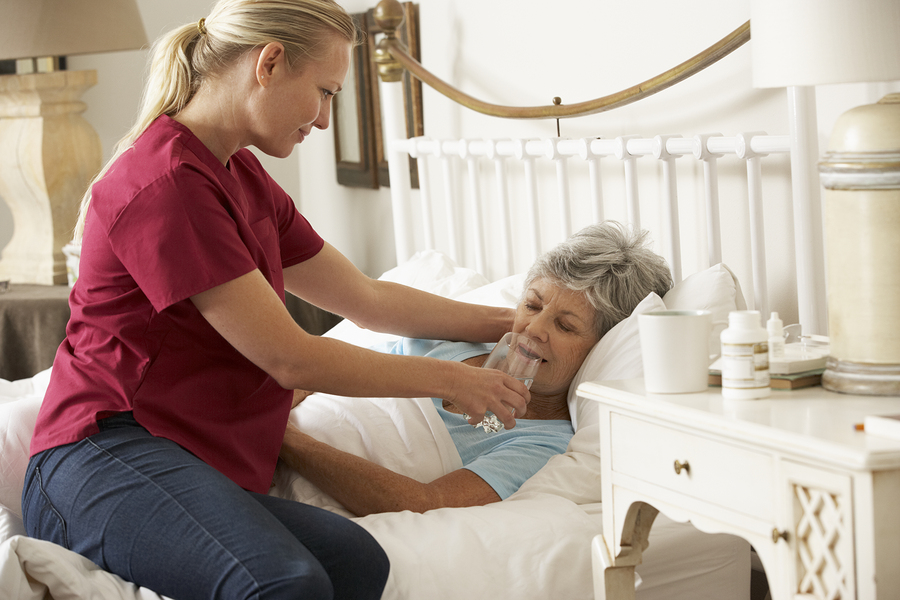
When your doctor recommends skilled nursing services at home, it’s natural to have questions about what to expect. At HomeHealth, Inc., we want you to feel confident and informed about the care you’ll receive. Here’s a comprehensive guide to skilled nursing at home.
What Is Skilled Nursing?
Skilled nursing is medical care provided by registered nurses (RNs) or licensed practical nurses (LPNs) under the supervision of an RN. Unlike custodial care, which helps with daily living activities, skilled nursing addresses medical needs and requires specialized training and clinical judgment.
The Difference Between Skilled and Custodial Care
This distinction is important because it affects what Medicare and insurance will cover:
Skilled Nursing (Medical Care):
- Wound care and dressing changes
- Medication management and education
- Vital sign monitoring
- Disease management teaching
- Post-surgical care
- Injection administration
- Assessment and evaluation
Custodial Care (Personal Care):
- Help with bathing and dressing
- Meal preparation
- Light housekeeping
- Companionship
- Assistance with daily activities
Medicare and most insurance plans cover skilled nursing when it’s medically necessary. Custodial care typically isn’t covered unless it’s provided in conjunction with skilled care.
What Skilled Nurses Do
Skilled nurses provide a wide range of medical services in your home:
Wound Care
One of the most common skilled nursing services is wound care. Our nurses:
- Clean and dress wounds according to physician orders
- Monitor healing progress
- Watch for signs of infection
- Teach you and your family how to care for wounds between visits
- Coordinate with wound care specialists when needed
Common wounds treated include:
- Surgical wounds
- Pressure ulcers (bedsores)
- Diabetic ulcers
- Traumatic injuries
- Burns
Medication Management
Proper medication management is crucial for health and safety. Skilled nurses:
- Review all your medications
- Organize medications for easy access
- Teach you about your medications
- Monitor for side effects
- Coordinate with your pharmacist
- Ensure medications are taken as prescribed
This is especially important for patients taking multiple medications or those with complex medication regimens.
Vital Sign Monitoring
Regular monitoring helps track your health and catch problems early. Skilled nurses:
- Check blood pressure, heart rate, temperature, and oxygen levels
- Monitor blood glucose for diabetic patients
- Track weight changes
- Document trends over time
- Report concerning findings to your physician
Disease Management Education
Living with chronic conditions requires knowledge and skills. Skilled nurses teach you:
- How to manage your condition at home
- Warning signs to watch for
- When to call your doctor
- Lifestyle modifications that can help
- How to use medical equipment
Common conditions managed include:
- Heart failure
- Diabetes
- COPD (chronic obstructive pulmonary disease)
- Hypertension (high blood pressure)
- Kidney disease
Post-Surgical Care
After surgery, skilled nursing helps you recover safely at home. Services include:
- Monitoring surgical incisions
- Managing pain medication
- Watching for complications
- Teaching post-surgical exercises
- Coordinating follow-up care
- Ensuring you understand discharge instructions
Injections
Some medications require administration by a skilled nurse:
- Insulin injections for diabetes
- Antibiotic injections
- Blood thinners
Patient Assessments
Skilled nurses continually assess your condition:
- Evaluating your overall health status
- Checking for changes in your condition
- Assessing your home environment for safety
- Reviewing your understanding of your care plan
- Identifying barriers to recovery
What to Expect During Skilled Nursing Visits
Understanding what happens during visits can help you feel more comfortable and prepared.
The First Visit
Your first skilled nursing visit is comprehensive and typically lasts 60 minutes. During this visit, the nurse will:
Assessment:
- Review your medical history
- Check your vital signs
- Assess your current condition
- Evaluate your home environment
- Review your medications
Care Planning:
- Discuss your doctor’s orders
- Explain the plan of care
- Set goals for your recovery
- Establish visit schedule
- Answer your questions
Education:
- Teach you about your condition
- Explain what to expect
- Demonstrate any techniques you need to learn
- Provide written instructions when appropriate
Subsequent Visits
Follow-up visits are typically shorter (30-45 minutes) and focus on:
- Monitoring your progress
- Providing ordered treatments
- Teaching new skills as needed
- Adjusting the care plan based on your progress
- Communicating with your physician
Visit Frequency
The frequency of skilled nursing visits depends on your needs (determined by your primary care physician):
- Post-surgical: May be daily initially, then 2-3 times per week
- Wound care: Typically 2-3 times per week
- Medication management: May be weekly initially, then monthly
- Disease management: Usually weekly or bi-weekly
Your nurse will work with you and your physician to determine the appropriate schedule. Ultimately your schedule is determined by the orders given to us by your physician.
What Happens Between Visits
Skilled nursing isn’t just about what happens during visits—it’s about supporting your overall care between visits too. Your nurse will:
- Document your progress after each visit
- Communicate with your physician about your condition
- Coordinate with other healthcare providers
- Be available by phone for questions
- Adjust your care plan as needed
Common Conditions Treated by Skilled Nursing
Skilled nursing can help with a wide range of medical conditions:
Post-Surgical Recovery
After surgery, skilled nursing helps you:
- Heal properly at home
- Manage pain effectively
- Prevent complications
- Regain strength and mobility
- Understand post-surgical instructions
Common surgeries requiring skilled nursing:
- Joint replacement (hip, knee)
- Cardiac surgery
- Abdominal surgery
- Orthopedic surgery
- General surgery
Wound Care Needs
Chronic or complex wounds require specialized care:
- Surgical wounds
- Pressure ulcers (bedsores)
- Diabetic ulcers
- Traumatic injuries
- Burns
- Infected wounds
Chronic Disease Management
Living with chronic conditions requires ongoing medical oversight:
- Heart Failure: Monitoring symptoms, managing medications, teaching about fluid restrictions
- Diabetes: Blood glucose monitoring, insulin administration, dietary education
- COPD: Teaching breathing techniques, monitoring oxygen levels, medication management
- Hypertension: Blood pressure monitoring, medication education, lifestyle modifications
- Kidney Disease: Monitoring lab values, medication management, dietary restrictions
Medication Management Needs
Patients with complex medication regimens benefit from skilled nursing:
- Multiple medications
- New medications recently prescribed
- Medications requiring special administration (injections, IV)
- History of medication errors or confusion
- Need for medication education
Other Conditions
Skilled nursing can also help with:
- Stroke recovery
- Pneumonia recovery
- Dehydration requiring IV fluids
- Infections requiring antibiotic therapy
- Post-stroke care
- Cancer-related care
The Patient Experience
What can you expect as a patient receiving skilled nursing services?
Personalized Care
Your care plan is tailored to your specific needs, preferences, and goals. We consider:
- Your medical condition and requirements
- Your home environment
- Your support system (family, caregivers)
- Your personal goals and preferences
- Your cultural and religious needs
Respect and Dignity
At HomeHealth, Inc., we believe every patient deserves to be treated with respect and dignity. Our nurses:
- Listen to your concerns and preferences
- Explain everything before doing it
- Respect your privacy and modesty
- Honor your cultural and personal values
- Treat you as a partner in your care
Family Involvement
We encourage family involvement in your care:
- Family members are welcome to be present during visits
- We teach family members how to help
- We keep family informed of your progress
- We coordinate with family caregivers
- We provide resources and support
Setting Goals and Measuring Progress
Your care plan includes specific, measurable goals:
- Short-term goals (what we want to achieve this week)
- Long-term goals (what we want to achieve by the end of care)
- Progress indicators (how we’ll measure improvement)
- Timeline expectations (when we expect to reach goals)
We regularly review and adjust these goals based on your progress.
Communication and Coordination
Skilled nursing doesn’t happen in isolation. We coordinate with:
- Your physician (primary care and specialists)
- Other healthcare providers (therapists, social workers)
- Your family and caregivers
- Your insurance company
- Community resources as needed
How to Get Started with Skilled Nursing
If you or a loved one needs skilled nursing services, here’s how to get started:
Step 1: Get a Physician’s Order
The first step is talking to your doctor. Ask:
- “Do I need skilled nursing services at home?”
- “Can you write an order for skilled nursing?” (aka Face-To-Face / F2F)
- “What services do I need?”
Your doctor will assess your condition and determine if skilled nursing is medically necessary.
Step 2: Choose a Skilled Nursing Agency
You have the right to choose any Medicare-certified agency. When choosing, consider:
- Certification: Is the agency Medicare-certified?
- Experience: Do they have experience with your specific needs?
- Location: Do they serve your area?
- Services: Do they offer the services you need?
At HomeHealth, Inc., we’re Medicare-certified and have extensive experience providing skilled nursing services.
Step 3: Agency Contacts Your Doctor
Once you choose an agency, they will:
- Contact your doctor to review your medical needs
- Confirm the physician’s order
- Develop a plan of care
- Schedule your first visit
Step 4: Prepare for Your First Visit
To make the most of your first visit:
- Have your insurance information ready
- List all current medications
- Write down any questions or concerns
- Have a family member or caregiver present if possible
- Ensure your home is accessible and safe
Tips for a Successful Skilled Nursing Experience
1. Be an Active Participant
Your recovery is a team effort. Participate by:
- Following your care plan
- Doing your exercises and activities
- Taking medications as prescribed
- Communicating openly with your nurse
- Asking questions when you don’t understand something
2. Communicate Openly
Tell your nurse about:
- Any changes in your condition
- New symptoms or concerns
- Side effects from medications
- Challenges you’re facing at home
- Questions about your care
3. Prepare for Visits
Before each visit:
- Write down questions or concerns
- Have your medications ready to review
- Note any changes since the last visit
- Ensure your home is accessible
4. Follow Your Care Plan
Your care plan is designed to help you recover. Follow it by:
- Doing your exercises as prescribed
- Taking medications as directed
- Making recommended lifestyle changes
- Keeping follow-up appointments
- Calling your nurse if you have concerns
5. Involve Your Support System
Don’t try to do this alone (whenever possible). Involve:
- Family members
- Caregivers
- Friends
- Community resources
When to Call Your Nurse
Contact your skilled nurse if you experience:
- New or worsening symptoms
- Side effects from medications
- Questions about your care plan
- Concerns about your recovery
- Changes in your home environment
For medical emergencies, call 911 or go to the nearest emergency room.
Signs You May Need Skilled Nursing
Consider skilled nursing if you or a loved one:
- Recently returned home from the hospital
- Had surgery and need rehabilitation
- Have a wound that requires professional care
- Need help managing medications
- Have a new or worsening chronic condition
- Experienced a decline in health or function
- Need injections or IV therapy
- Have difficulty managing your health at home
Contact At HomeHealth, Inc. Today
If you or a loved one needs skilled nursing services at home, we’re here to help. Our registered nurses have extensive experience providing compassionate, skilled care in the comfort of home.
Our Skilled Nursing Services
- Wound care and dressing changes
- Medication management and education
- Vital sign monitoring
- Disease management teaching
- Post-surgical care
- Injection administration
- Patient assessments
Our Commitment to You
- We’re Medicare-certified
- We serve Chicago and 10 surrounding counties
- We coordinate with your physician
- We provide personalized, compassionate care
- We’re available to answer your questions
Get Started Today
Phone: 773-279-9244 Fax: 773-279-9255
Email: info@ahhchicago.com
Service Area: Chicago and 10 Illinois Counties
Remember, a physician’s order is required to begin skilled nursing services, but that doesn’t mean you have to navigate the process alone. Our team is here to help you understand what to expect and get the skilled nursing care you need.
This article provides general information about skilled nursing services at home. For specific medical advice, please consult with your primary care physician.